Images rarely stay the same once they leave your hands.
They get cropped for a banner, recolored for a feed, placed in a print layout or edited with AI. Visual Intelligence looks at what is in the image, not just at the file, so it can still recognize it.
What the model does
- 01
Recognizes altered images
Detects cropped, recolored and edited versions of your images, without relying on an embedded watermark.
- 02
Online and in print
Matches published images against large archives and the web, including digital publications and printed newspapers.
- 03
Search by description
Find images in your library by describing what you need, or by visual similarity.
- 04
Connects people to consent
Facial recognition matches people to their consent records across images and video, with review by your team.
- 05
Keeps versions together
Identifies modified versions of existing images, so edits stay linked to the original asset.
- 06
Built in-house
Developed by Verify, not a third-party vision API. Customer data is hosted in the EU.
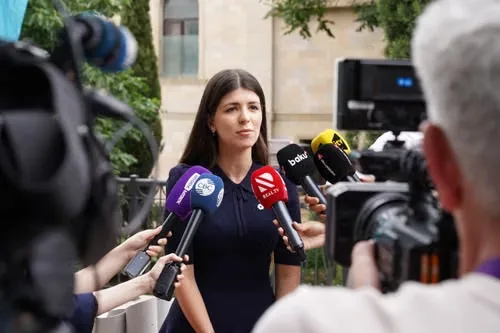

“Tracking image reuse across print and online media used to be an incredibly time-consuming process for us. We relied on multiple tools and a lot of manual checking, which made it difficult to get a complete and accurate overview. With [Verify], the entire workflow is automated. Even heavily edited or cropped photos are detected with remarkable accuracy. The biggest impact for us is that we now see exactly where our images are used, which has allowed us to invoice a significantly higher amount for licensed usage. It has fundamentally improved how we monetize our archive.”
Looking ahead
Trust in what you see
As generated and edited images become harder to tell apart, organizations need to show where content comes from and how it changed.
- Recognition already connects edited versions to their source.
- AI edits made in Verify are recorded in asset metadata.
- We are building toward stronger provenance and authenticity capabilities.